

Welcome to Alaska—home to some of the most jaw-dropping landscapes in the world. Whether you’re an adrenaline junkie, a wildlife enthusiast, or someone who just likes to gaze at nature and take it all in (no judgment), the best Alaska national parks have got something to wow you. Think towering glaciers, majestic mountains, and wildlife encounters that will make your Instagram followers jealous.
This is the guide to the best Alaska’s national park that you didn’t know you needed. We’re going to break down everything from what to do and where to stay to how to avoid bear hugs (unless you want one). So, grab your warmest jacket and your sense of adventure—Alaska is calling.
What's Inside
Learn about top parks, things to do, and top tours. GuideR Adventure makes it easy to travel more and worry less by searching and booking your next adventure on our simple-to-use marketplace.
About Alaska Parks
Alaska is home to eight national parks, the most of any U.S. state. These parks cover over 41 million acres, which is more land than all the national parks in the lower 48 states combined. The eight national parks in Alaska are:
Denali National Park & Preserve
Gates of the Arctic National Park & Preserve
Glacier Bay National Park & Preserve
Katmai National Park & Preserve
Kenai Fjords National Park
Kobuk Valley National Park
Lake Clark National Park & Preserve
Wrangell–St. Elias National Park & Preserve
Alaska also boasts numerous public lands, national historic area, national monuments, national preserves, and national historic parks. Check out the full list here.
Alaska Parks Entrance Fees
The best news about the Alaska parks is that more are free to access—but a few do have specific fees for entrance or certain services like shuttles or campground reservations.
💡 Pro Tip: If you’re visiting Denali or other national parks across the U.S., consider the America the Beautiful Pass ($80/year + fees) for unlimited access to all federal recreation lands. This pass covers entrance fees and day-use fees for lands managed by National Park Service, US Fish & Wildlife Service, US Forest Service, Bureau of Land Management, Bureau of Reclamation, and US Army of Corps of Engineers.
Below is a brief guide to national park fees.
Fee’s listed are for 2025. Always consult the National Park Service website for the most up to date fee schedule.
Alaska National Park | Entrance Fee | Notes |
|---|---|---|
Denali National Park | $15 / Person | Valid for 7 days. Free for visitors under 15yo. Shuttle and campground fees are extra. |
Glacier Bay National Park | Free | No entrance fee. Park is often accessed via cruise ship. |
Katmai National Park | Free | No entrance fee, but some access (like Brooks Camp) may have fees. |
Gates of the Arctic | Free | No entrance stations |
Kenai Fjords National Park | Free | No entrance fee. |
Kobuk Valley National Park | Free | No entrance stations. Bush plane remote access only. |
Lake Clark National Park | Free | No entrance fee. Accessible by plane or boat only. |
Wrangell-St. Elias National Park | Free | No entrance fee. |
Permits & Backcountry Camping in Alaska
While most of the national parks in Alaska don’t charge entrance fees, you may till need backcountry permits or use permits and orientation for certain activities. This article includes permit information under each national park in the state below.
Best Alaska National Park Hacks
#12. Pack Like the Weather Has Mood Swings
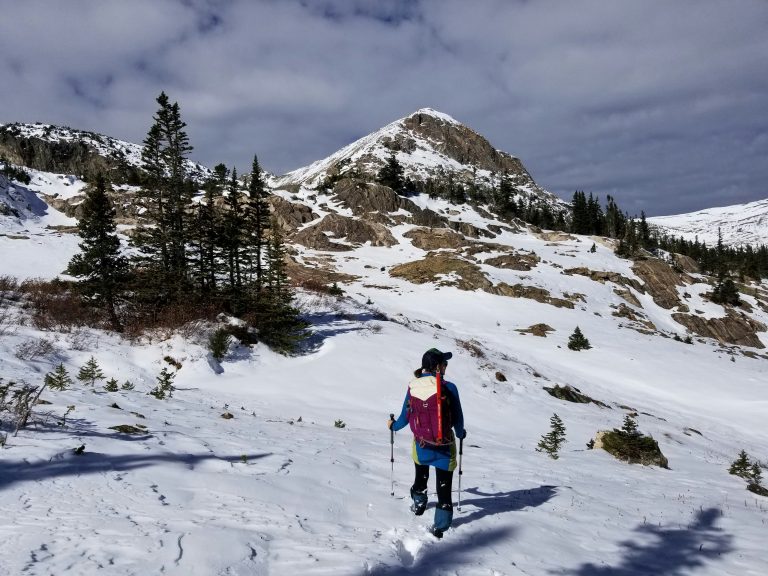
Alaska isn’t indecisive, it’s just dramatic. Sun, sleet, wind, and maybe a snow flurry—in the same afternoon. Layer up like you’re prepping for a fashion show sponsored by REI.
#11. Bush Planes Are Basically Uber Here—Book Early
Denali, Katmai, Gates of the Arctic… these aren’t drive-up parks. You’ll need a small plane and a bit of guts. Charter flights fill up fast—especially in summer. Book early, and don’t be surprised if your “airport” is a gravel bar.
#10. Forget Cell Service. Download All the Things
Maps, permits, guides—download them before you leave WiFi range. Most parks here have the digital connectivity of 1997. Bonus hack: bring a paper map, just in case.
#9. Bears Are Not a Tourist Attraction. Give ‘Em Space
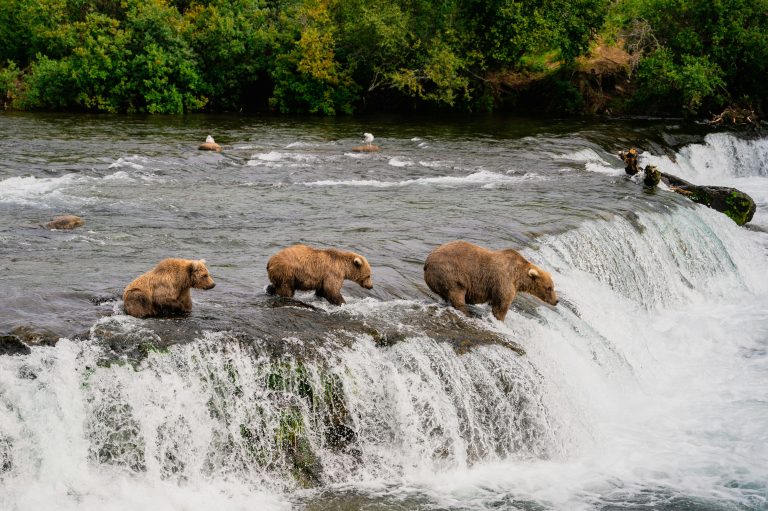
Yes, you will see bears. No, you shouldn’t try to get closer. Learn how to store food, carry bear spray (and know how to use it), and always hike with a buddy. If a bear stands up, it’s not waving—it’s sizing you up.
#8. “Trails” Are More of a Suggestion Here
Most parks in Alaska don’t have groomed trails. You’ll be route-finding through tundra, bushwhacking, or following game trails. That GPS app isn’t just for show.
#7. Summer = Midnight Sun. Don’t Expect Darkness
Bring an eye mask unless you plan to operate on 3 hours of sleep.
From about April 22 to August 20th, the Midnight Sun (aka polar day), is a occurrence where the sun is visible at night. While it’s not 100% sunshine at night, it is a stark difference to normal nighttime.
Some parks never get fully dark in June and July. Great for long hikes, but confusing for your circadian rhythm.
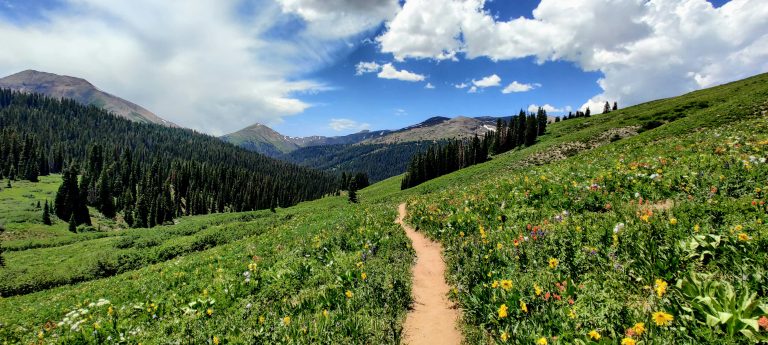
#6. Mosquitoes Are the Unofficial State Bird
In June and July, they come in squadrons. A head net isn’t overkill—it’s peace of mind. DEET works, but some locals swear by wearing light-colored, long-sleeved clothing and just pretending they’re not there.
#5. You Don’t Need to “Do It All” to Be Blown Away
Alaska, and it’s national parks, are huge—like, country-sized. Focus on depth over breadth. Spend a couple of days in one place instead of racing between parks. It’s not a checklist; it’s a chance to feel small in the best way.
#4. Rangers Are Goldmines of Info—Actually Talk to Them
Want to avoid a washed-out trail, know where a caribou herd passed through, or get tips on lesser-known routes? Park rangers live and breathe this land. They’ll help you stay safe and find the good stuff.
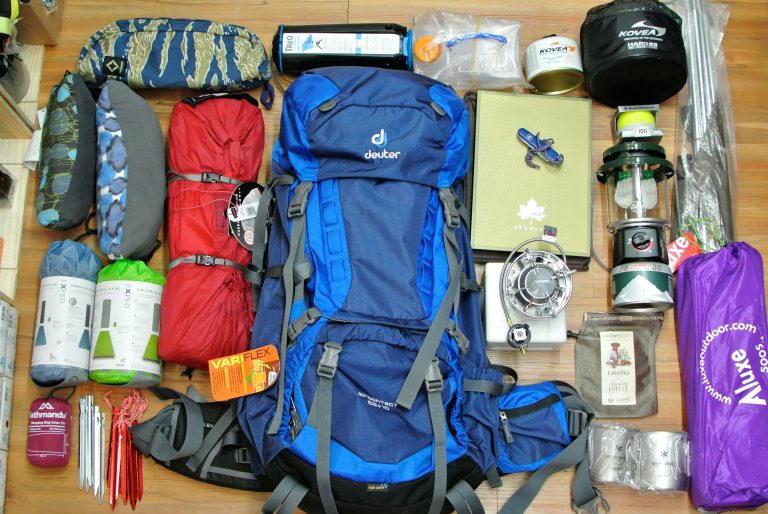
#3. Use the Local Grocery Store Like a Gear Shop
Forgot bear spray? Need camp fuel? Extra layers? In rural Alaska, the local grocery or hardware store is your Swiss army knife. Prices can be steep, so double check your gear list before you go.
#2. Ditch the Fancy Luggage—Go Duffel or Go Home
Rolling suitcases don’t work in gravel lots, float planes, or boat landings. Use a soft duffel or pack you can toss in a bush plane or strap to an ATV. Bonus if it’s waterproof.
#1. When in Doubt, Slow Down and Take It In
Want to spot wildlife? Don’t chase. Sit quietly. You’d be amazed what shows up when you’re not stomping around looking for it. That’s where the magic lives—in stillness, not spectacle.
Best National Parks FAQ
What is the most beautiful park in Alaska?
Beauty is subjective, but we think Lake Clark National Park is the most beautiful national parks in Alaska.
Lake Clark National Park takes our pick for its dramatic combination of turquoise lakes, snow-capped volcanoes, and untouched wilderness teeming with bears and salmon.
Lake Clark National Park Visitors Guide
What is the most accessible national park in Alaska?
Kenai Fjords National Park is relatively accessible, with road access to the town of Seward and various tour options.
Road Access: Kenai Fjords is the only Alaska national park with a road leading directly into it, via Exit Glacier.
Proximity to Seward: The park is just minutes from Seward, Alaska, a coastal town easily reached by car, train, or shuttle from Anchorage.
Easy Guided Tours: Day cruises, kayaking, and wildlife tours are widely available and beginner-friendly.
Visitor Amenities: The park offers marked trails, a visitor center, ranger programs, and nearby lodging and campgrounds.
No Bush Planes Needed: Unlike most Alaska parks, you don’t need a charter flight or boat to explore key areas.
Can you drive to all the national parks in Alaska?
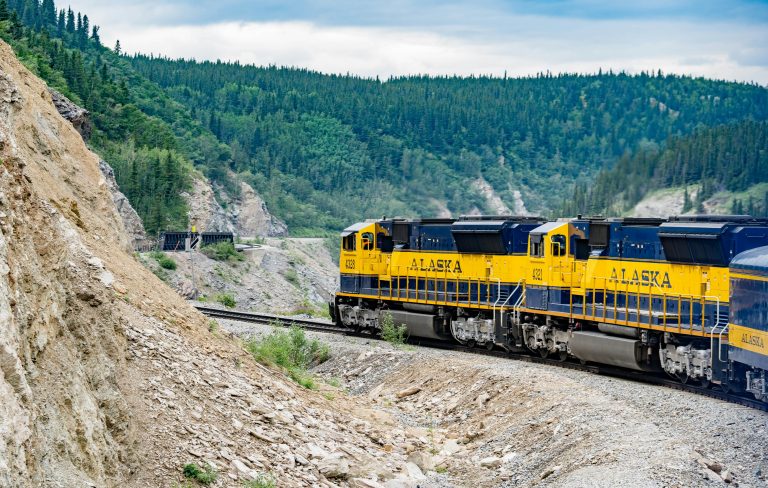
No, several parks require air or boat travel. Planning logistics is crucial for these remote destinations. Want to do more looking than driving? The Alaska Railroad is a great alternative offers incredible opportunities to travel across the state.
How long does it take to see all the national parks in Alaska?
Given the vast distances and varying accessibility, visiting all parks could take several weeks to months.
Conclusion on Best Alaska National Park Hacks
The best Alaska national parks aren’t just destinations—they’re places to unplug, explore, and connect deeply with nature. Whether you’re after quiet moments, incredible wildlife encounters, or landscapes that leave you speechless, these parks have something for every adventurer. Take your time, soak it all in, and let Alaska’s wild beauty inspire your next unforgettable journey.

Megan Shurites
Megan is Chief Adventure Officer and Founder of GuideR Adventure with extensive experience in adventure travel all over the world. Megan has been to almost all US states and 5 of 7 continents and enjoys off the beaten path experiences. She strives to empower others to collect memories with those you love and conserve our natural spaces.


Comment (0)