You ever notice how something so simple, like walking, can change depending on where you do it? I used to think hiking was just walking with better scenery. But somewhere along the way (maybe it was at the top of my first mountain in Guatamala), I realized hiking isn’t really about where your feet go. It’s about what happens while they’re moving.

For some, hiking is a workout. For others, it’s quiet time to reflect. For me, it’s so much deeper. It’s the pause between the emails, the errands, the business in my head. It’s remembering that we’re small in the best possible way.

If you’ve ever wondered what hiking really means, keep reading and we’ll unpack that together.

What's Inside

25 Parkway Road, Rosman, NC, USA
2026-08-28 17:44:20

1/2 Day Hiking Near Asheville NC in Pisgah National Forest

0 (No Review)
What to Expect With With Hiking Near Asheville, NC You won’t want to miss an amazing ...
4 Hours
4 Hours
GuideR Adventure makes it easy to travel more and worry less by searching and booking your next adventure on our simple-to-use marketplace. 

What Is Hiking, Really?

If you look up “what is hiking,” you’ll find something like: the activity of walking in natural environments, often on trails. That’s technically correct, but it’s only the tip of the iceberg. 

Hiking is more than just walking in the woods. It’s intentional movement. It’s the sound of wind through the trees, the way your mind slows to match your breath, and the quiet satisfaction that builds with every mile.

As much as I don’t like the phrase, “Hike your own hike,” it’s true. Hiking is about what happens along the way.

Why People Go Hiking (and Why You Might Love It Too)

People hike for a hundred reasons, and there’s no right one. Some do it for exercise. Others for mental clarity. For many, it’s just an excuse to disconnect from screens and reconnect with something real.

Common Benefits of Hiking

  • Stress relief: Studies show time in nature lowers cortisol and boosts mood.
  • Exercise that feels natural: No treadmill required — just movement, fresh air, and endorphins.
  • Exploration: Trails invite curiosity. Each one offers new views, smells, and sounds.
  • Connection: Hiking can be solo therapy or the start of lifelong trail friendships.

If you’ve ever felt burned out or boxed in by daily routines, hiking might be exactly the reset your body (and mind) has been asking for.

You can explore guided hiking tours across the U.S. if you want an easy place to start.

What Is Hiking vs. Walking?

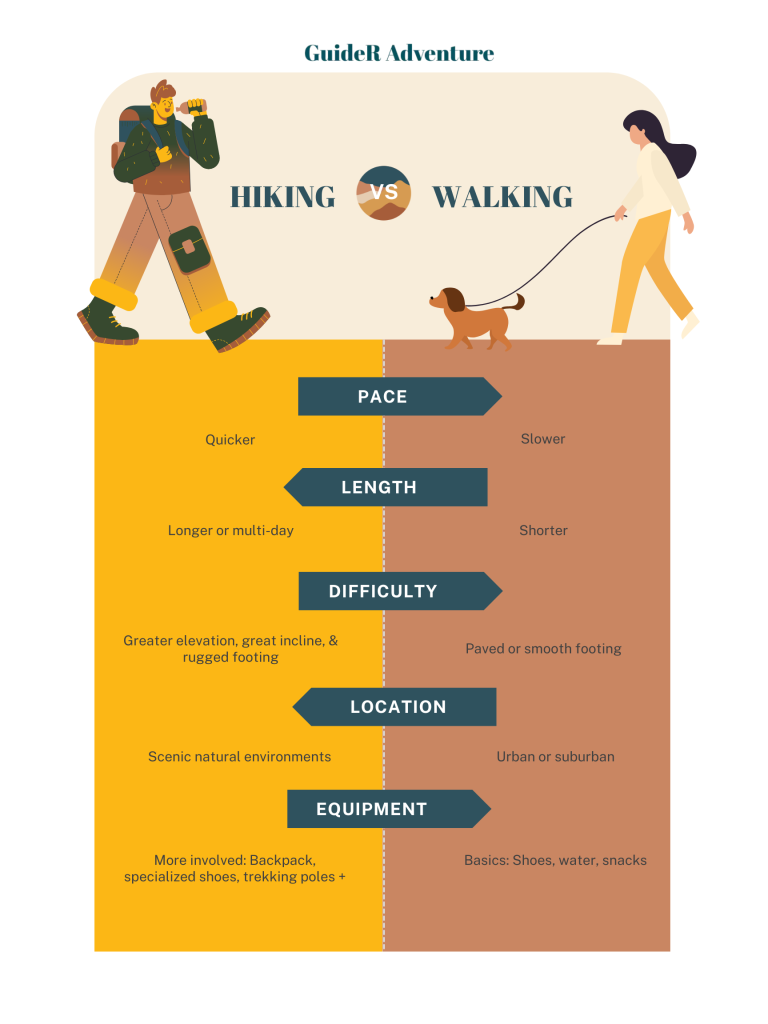
The main difference between hiking and walking comes down to location and intensity. Hiking happens on natural trails, mountain trails, or terrain, often with elevation changes, while walking is usually done on sidewalks or flat ground.

Hiking is walking on natural trails or uneven terrain, usually for recreation or exercise, while walking typically happens on flat, paved surfaces.

To help give you a 20,000 foot picture, let’s look at some common terms you may not have thought are different- walking, hiking, and trekking. Let’s break it down from easiest to hardest: 

  1. Trekking (Hardest) – We’ll talk about this one more below
  2. Hiking 
  3. Walking (Easiest)

How To Start Hiking for Beginners

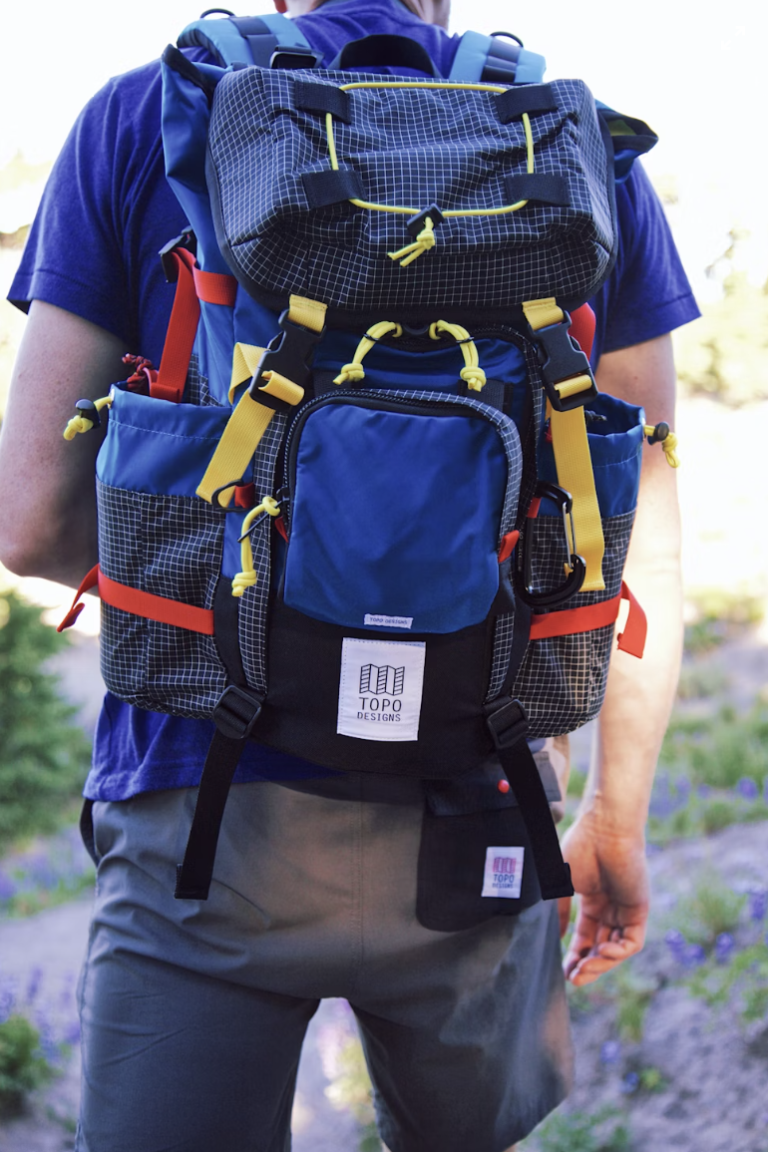
If you’re wondering how to start hiking, the best advice is: start small. A fancy backpack won’t make you hike better. 

Let’s a cover a few of the basics, including what to pack, where to go, and things to know. 

What To Bring on a Hike

Packing smart keeps hiking fun. Your daypack doesn’t need to be heavy, but you do need to pack practically. 

Gear Basics for Every Hiker

You don’t need a closet full of expensive gear to start hiking. You just need the right essentials. The goal is comfort, safety, and being prepared for the unexpected.

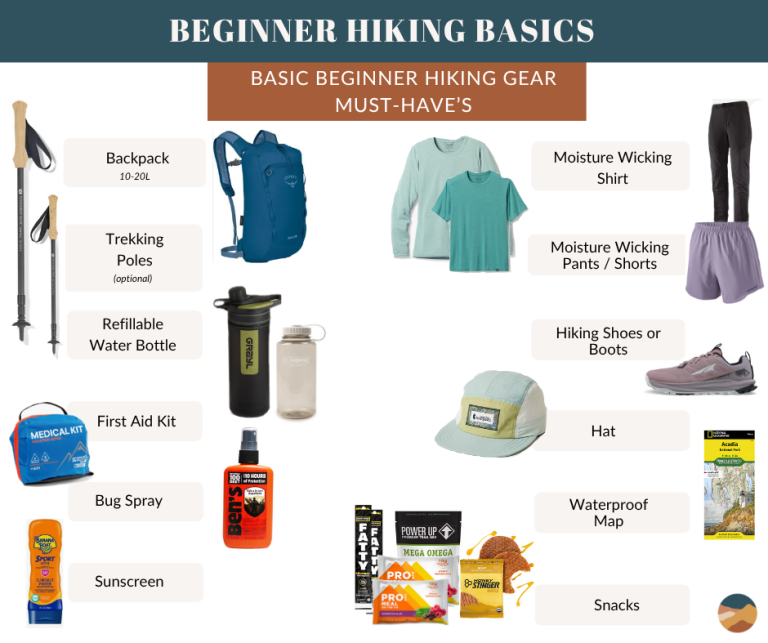
Below is a list of gear to start with: 

Essential Items

Warm Weather Hiking Gear

Cold Weather Hiking Gear

Backpack

(10-20 Liter)

Lightweight gloves

(sun protection)

Insulating base layers

Hiking shoes

Trail running shoes

or hiking boots

Lightweight buff

(sun protection)

Fleece Hat

or Balaclava

Refillable water bottle

or hydration pack

Electrolyte tabs

Waterproof boots

Rain jacket

Trail gaiters

Thick socks

First aid kit

Extra water

Micospikes

(if icy terrain)

Trekking poles (optional)

Bug spray

Sunscreen

Moisture wicking shirt

Moisture wicking pants

Hat

Waterproof map

(not just your phone!)

All the snacks!

If you’re not sure where to start, our guided hiking tours include gear recommendations specific to your destination and season.

How To Prepare for a Hike

No need to over think it.

  • Step 1: Choose a beginner-friendly trail and check conditions online.
  • Step 2: Dress in layers and wear sturdy shoes.
  • Step 3: Pack water, snacks, and navigation tools.
  • Step 4: Tell someone your route if you’re going solo.
  • Step 5: Start early, pace yourself, and enjoy the view.

Pick a local trail that matches your comfort level. Something like a short loop in a nearby city park or forest. The goal isn’t miles; it’s moments.

General Beginner Hiking Tips

  • Wear comfortable shoes with good grip (they don’t have to be fancy).
  • Bring water — more than you think you’ll need.
  • Check the weather and pack an extra layer.
  • Go with a friend or join a guided hike for safety and support.
  • Download a free trail app like AllTrails or Gaia GPS if you’re unfamiliar with the area.
avatar

Basic Hiking Skills

Let’s talk about a few basics I wish I knew when I started hiking. 

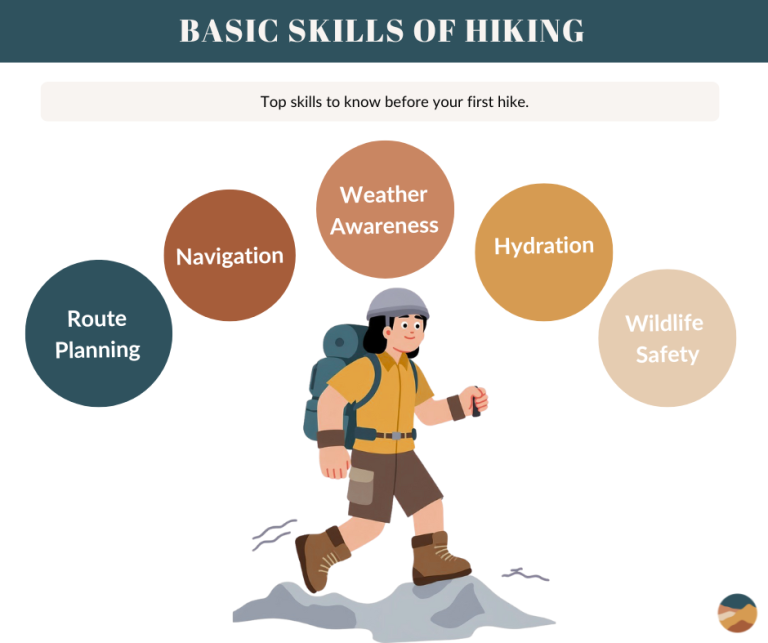
5 Hiking Skills Every Beginner Should Know

Hiking is part instinct, part preparation, and part practice. You don’t have to be an expert outdoors person, but a few simple skills can make your hikes safer and more enjoyable.

1. Route Planning

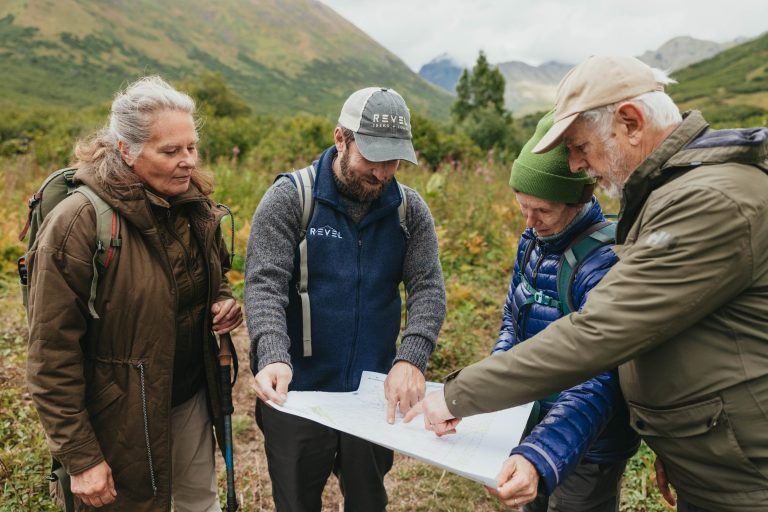
Before you ever lace up your boots, know your route. Pull up a trail map or app to get a sense of the terrain, distance, and elevation changes. If there’s a tricky junction or water crossing, make note of it.

And yes, bring a waterproof paper map even if you use your phone for navigation. Phones die, signals drop, and batteries have a way of quitting right when you need them most. It’s good old-fashioned insurance.

Try to know where the nearest cutback trail or access road is, too — that way, if weather rolls in or you get tired, you’ve got options to safely exit the trail early.

2. Navigation

Learning to navigate is an incredibly useful skill outdoors. Pay attention to trail markers, rock cairns (stacks of rock used as markers), and even tree blazes — they’re subtle but steady guides.

You don’t need to be a compass expert, but knowing how to orient a basic map to your surroundings can make a big difference.

If you’re using an app, like AllTrails or Gaia GPS, download offline maps or take screenshots before you head out. That way you have back ups should you need them. 

2. Navigation

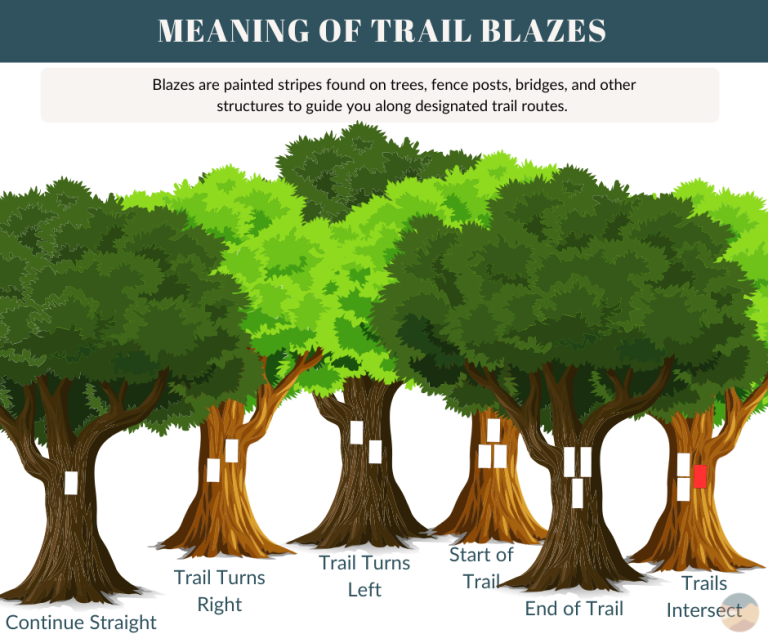
Learning to navigate is an incredibly useful skill outdoors. Pay attention to trail markers, rock cairns (stacks of rock used as markers), and even tree blazes. 

Above is a quick graphic to learn the meaning to trail blazes, such as where to continue straight, left and right turns, trail beginning and end, and where trails intersect. 

You don’t need to be a compass expert, but knowing how to orient a basic map to your surroundings can make a big difference.

If you’re using an app, like AllTrails or Gaia GPS, download offline maps or take screenshots before you head out. That way you have back ups should you need them. 

3. Weather Awareness

Weather can change faster than moods in the mountains. Always check the forecast before heading out. Nature doesn’t always follow the plan.

Look for clouds building or wind shifting mid-hike. If thunderheads start stacking or the light turns that eerie gray-green, it might be time to head back.

4. Water & Snacks

Hydration and fuel are your best friends. Bring more water than you think you’ll need and sip regularly rather than chugging all at once. Water treatment tablets or water filtration systems (like a Sawyer Squeeze) are also worth considering. 

Pack energy-dense snacks like nuts, jerky, or granola. Think simple, no-fuss food that keeps you going without weighing you down. Two of my favorite trail snacks are Fatty Meat Sticks and good ol’ trail mix. 

If you’re hiking in summer or high elevation, electrolytes can help you avoid fatigue or cramps.

25 Parkway Road, Rosman, NC, USA
2026-08-28 17:44:20

1/2 Day Hiking Near Asheville NC in Pisgah National Forest

0 (No Review)
What to Expect With With Hiking Near Asheville, NC You won’t want to miss an amazing ...
4 Hours
4 Hours
5. Wildlife Safety

Wildlife encounters are magical, but respect is key. Stay alert and give animals plenty of space. Never approach or feed wildlife.

Make gentle noise while hiking so animals hear you coming, especially in dense areas. In bear country, a bear bell, hiking in groups, and bear spray are really important.

From snakes to elk to black bears, know the local wildlife before you go and know what to do if you find yourself in a situation. If you’re hiking in a state park, national forest, national park, or other recreational area, consider reading the wildlife in on their website to become more familiar with the park’s guidelines.

Where to Go Hiking

How do I find hiking trails near me?

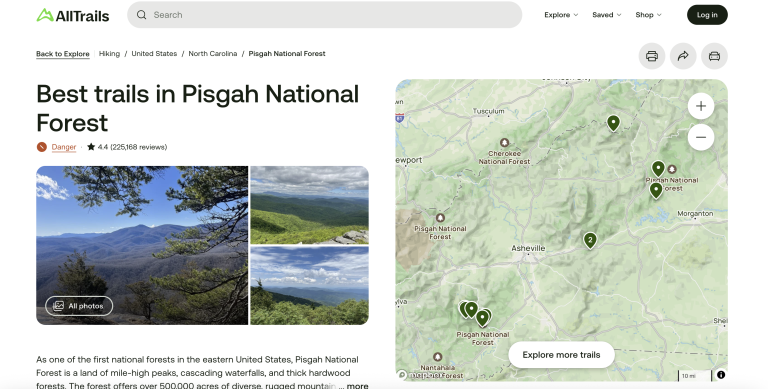
A few ways to find hiking trails near you include searching trail apps, such as All Trails, try Google searching ‘hiking tails near me’, visit a local outfitter or outdoors store for local trail intel, and joining Facebook groups. There can be plenty of hiking opportunities around you and you may not know it yet! 

If I was new to learning where to hike, below are a few places where I would start. 

  • Search All Trails – This free app is a great place to search and find trails near you, includes mileage, elevation, reviews, and user information of trail conditions.
    • Cautionary Note: AllTrails is notorious for having incorrect mileage and elevation, so use this as a base tool and exercise good judgement. 
  • Google search “hiking trails near me”: When I did this near me, the search results showed various waterfalls and trails just 20 minutes from me.  It seems basic, but can work surprisingly well. 

What Hiking Teaches You

Hiking teaches me to slow down. To listen. To trust your body.

You learn that uphill burns fade faster than you think, and that the “hard part” is usually followed by a view that makes it all worth it.

The trip that got me into hiking was a spontaneous Guatalama hiking trip. I booked a guide to hike a volcano and was no where near in shape. I was supported the whole way, but boy was I hurting after! It was the tripped that helped me build confidence, not just in hiking, but in myself. 

You also learn that life feels different when you move through it, not just around it. 

         Some people hike to get stronger. 

         Some people hike for the views. 

         Some people hike to get out of cell service. 

         and then there’s people who do it because they love nature. 

Whatever your reason, hiking is a teacher that accepts you as you are. 

Try a Guided Hiking Tour

If you’ve been thinking about hiking but aren’t sure where to begin, a guided trip might be your best first step.

We work with trusted local guides across the U.S. — from the Smokies to Alaska — who handle the logistics so you can focus on the moment.

You’ll explore safely, learn new trails, and get that “I actually did it” feeling without worrying about getting lost.

👉 Browse our guided hiking tours and see which one feels like your kind of adventure.


What do our customers have to say? 

hrbdragonfly
hrbdragonfly
Megan & her team were the absolute best choice for our adventures in Western North Carolina! They made the whole experience, very easy and stress-free. They planned out my whole trip for me & are great communicators. The whole team was very kind & fun to work with. I would highly suggest hiring Megan and her guide for adventure team. The tours are second to none.
Christopher Marleau
Christopher Marleau
Megan takes a serious interest in your wants for any trip you have, and goes to great lengths to research your ideas and creates the best fit for your needs. I would highly recommend anyone use GuideR Adventure! An easy 5/5 stars from me!

FAQs About Hiking

What is hiking in simple words?

Hiking is walking outdoors on natural trails for recreation, exercise, or exploration.

Is hiking good for your body?

Yes! Hiking builds strength, endurance, improves balance, and supports mental well-being.

How do I prepare for my first hike?

Start with short trails, wear good shoes, bring water, and check the weather before you go.

Can beginners go on hiking tours?

Absolutely. Many guided hikes are beginner-friendly and designed for people new to the outdoors.

Trekking vs Hiking- What’s the Difference? 

Trekking is a more intense version of hiking, typically marked as multi-day trips with longer mileage, more intense physical effort, off-the-beaten path, and can be on more rugged terrain. They require more gear, planning, and food supplies for the longer duration. Longer treks can have the personal goal of searching for spiritual or moral significance. 

1600 Pisgah Hwy, Pisgah Forest, NC 28768, USA
2026-08-28 17:44:21

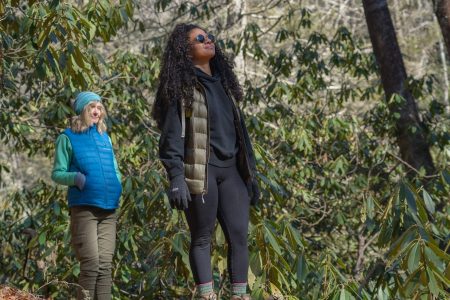
Private Forest Therapy Retreat, Asheville, NC

5 (1 Review)
What to Expect With Forest Therapy in Asheville, NC Discover the wisdom and beauty of the Blue ...
3 hours
3 hours
32481 West Jefferson Avenue, Rockwood, MI, USA
2026-08-28 17:44:21

Lake St. Clair & Detroit River Guided Adventures

0 (No Review)
Guided Fishing Trip on Lake St Clair & Detroit River Experience the Thrill of Fishing Adventure Are ...
8 hours
8 hours
Final Thoughts on Hiking

So… what is hiking? It’s not about how far you go. 

It’s permission to unplug. It’s the reminder that your legs are capable, your lungs are strong, and your mind is better when it breathes fresh air.

And if you’re curious what it feels like to experience that kind of freedom, there’s a trail — and a guide — waiting for you.

👉 Find your next hiking adventure with GuideR.

Popular Posts:

couple sipping coffee by campervan on vacation
Why Use a Travel Advisor? 7 Benefits to Change How You Adventure
Wondering why use a travel advisor for your next adventure? Discover 7 honest benefits, real cost breakdowns,...
two people cross country biking in field with snow capped mountains in background
Travel Agent vs. Travel Advisor: 6 Differences Every Adventure Traveler Needs to Know
Travel agent vs. travel advisor - now sure which you need? As an adventure travel advisor, I break down...
pexels-pixabay-164679
What Does a Travel Advisor Do for Adventure Travelers?
Discover how a travel advisor enhances your adventure travel experience and why they are worth it for...

group boat tour of beginner adventure travelers
Can Beginners Do Guided Adventure Tours?
Are Guided Tours Worth It? Here’s a warm, honest look at real outdoor travel so you can decide if guided...


Megan Shurites 

Megan is Chief Adventure Officer and Founder of GuideR Adventure with extensive experience in adventure travel all over the world. Megan has been to almost all US states and 5 of 7 continents and enjoys off the beaten path experiences. She strives to empower others to collect memories with those you love and conserve our natural spaces.