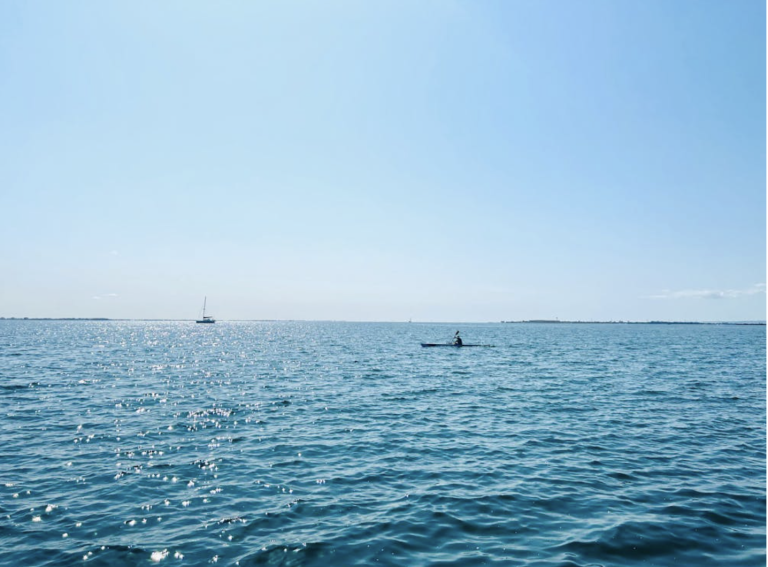
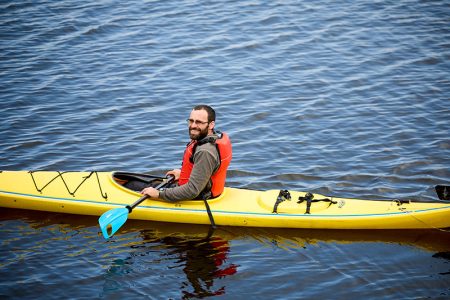
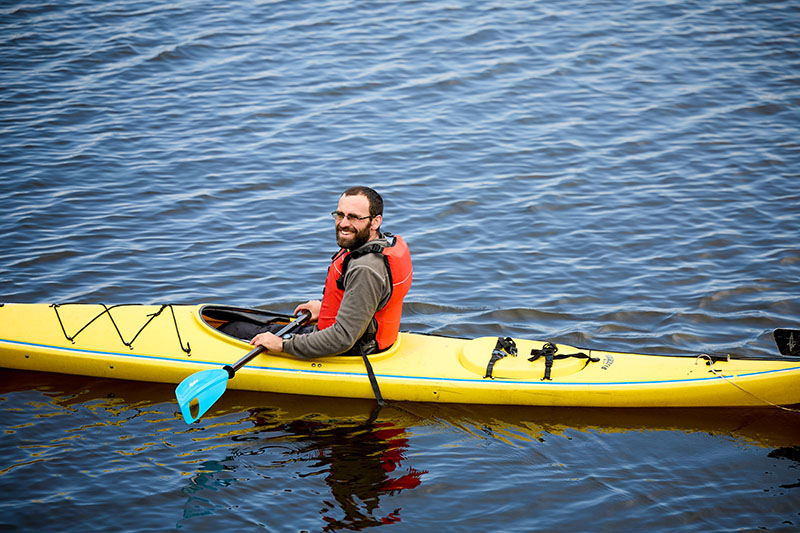
When you take a coastal kayaking tour off the Massachusetts coast, you aren’t just going for any normal kayak trip. You’re paddling into one of New England’s richest marine habitats rip with quiet estuaries, salt marshes, and rocky shorelines are home to an incredible variety of wildlife. Just imagine curious seals to migratory shorebirds.
In this post, we’ll explore the species you’re most likely to encounter, the best times to see them, and tips to make your wildlife kayak tour unforgettable.
Check out our North of Boston Island Lighthouse Kayak Tour for a guided adventure where wildlife meets paddling fun.
What's Inside
Coastal Massachusetts Paddle Board or Kayak Tour
GuideR Adventure makes it easy to travel more and worry less by searching and booking your next adventure on our simple-to-use marketplace.
Why the Massachusetts Coast Is Ideal for Wildlife on a Kayak Tour
Massachusetts’ coast offers a mix of salt marshes, estuaries, and rocky islands that create perfect habitats for birds, marine mammals, and shellfish. Guided kayak tours allow you to quietly approach these habitats, giving you a unique vantage point that you just can’t get from shore.
They truly are the best way to experience unique wildlife species that you just can’t see by land.
Seasonal Wildlife Sightings
Season | Wildlife Highlights |
|---|---|
Spring (April - June) | Migrating shorebirds Returning osprey Seals increasing activity |
Summer (July - August) | Best birdwatching Calm seas Abundant marine life |
Fall (September - October) | Shorebird migration whales occasionally offshore |
Winter (November - Marc) | Harbor seals remain Occasional bald eagle |
Coastal Birds You Might Spot
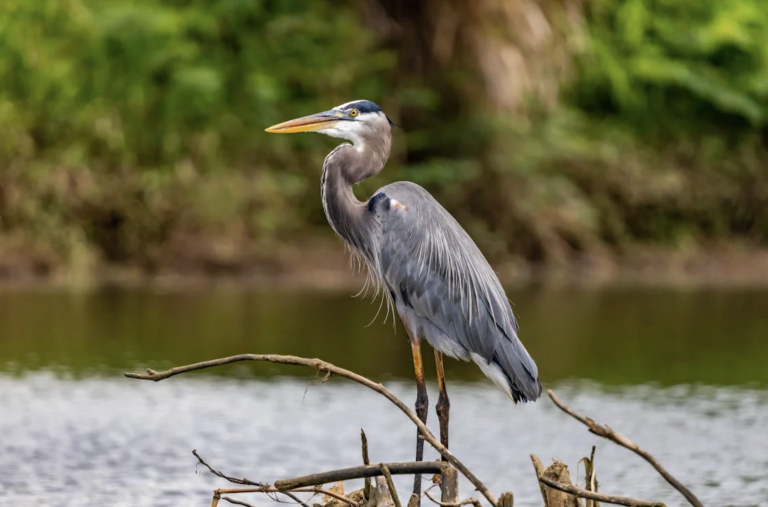
Great Blue Heron (Ardea herodias)
- Description: Standing more than 3 feet high as an adult, the great blue heron is one of the largest herons in the world. They’re recognizable with their slate blue bod, long, dark-yellowish legs, and pointed yellow bill.
- Classification: Nongame
- Diet: Fish, amphibians, reptiles, small mammals, and insects
- Lifespan: Up to 15 years
- When to see: Year-round, especially spring and summer
- Spotting tip: Stand quietly near salt marshes; they can freeze mid-step for minutes while hunting
Piping Plover (Charadrius melodus)
- Description: This small migratory shorebird nests and feeds along gravel beaches and sandy areas in North America.
- Diet: Marine worms, insects, small crustaceans
- Lifespan: About 5 years
- When to see: April–August (breeding season)
Spotting tip: Sandy beaches like Crane Beach or Monomoy National Wildlife Refuge
Osprey (Pandion haliaetus)
- Description: This distinctive fish-hawk can be found flyong over the water, hovering, and then plunging it’s feet to catch fish with it’s long talons. Breeding is common in Massachusetts and down the east coast.
- Diet: Almost entirely fish
- Lifespan: 10–15 years
- When to see: Spring through early fall; migrates south in winter
Spotting tip: Look for nests near tidal rivers or bays; they dive feet-first into water at high speeds
Marine Mammals You Might Encounter
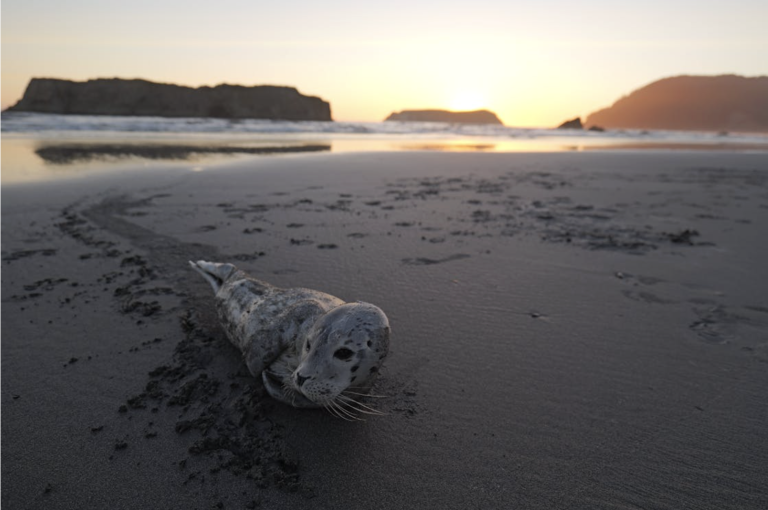
Harbor Seal (Phoca vitulina)
- Description: The harbor seal is one of the most common marine mammals along the U.S. east coast, seen resting on rocks and beaches. An important indicator of healthy coastal marine ecosystems, these guys can weigh up to 285 pounds and up to 6 feet in length.
- Diet: Fish, squid, crustaceans
- Lifespan: Up to 30 years
- When to see: Year-round, most active in cooler months
Spotting tip: Basking on rocky haul-out sites, especially around Cape Ann
Atlantic White-Sided Dolphin (Lagenorhynchus acutus)
- Description: A protected species under the Marine Mammal Protection Act, the Atlantic white-sided dolphin ranges from 8 to 9 feet in length. They’re fairly social animals and can be found in groups from 5 to 50 individuals.
- Diet: Small fish such as herring and mackerel
- Lifespan: ~20 years
- When to see: Late spring through early fall
Spotting tip: Offshore waters near Stellwagen Bank; look for pods jumping in unison
Crustaceans and Marine Life
American Lobster (Homarus americanus)
- Description: The American lobster is a crustacean with 10 legs and a large shrimp-like body and two large, strong claws. They can weigh up to 44 pounds and can live up to 100 years old.
- Diet: Clams, mussels, sea urchins
- Lifespan: Up to 50 years
Spotting tip: Rocky bottoms and kelp forests; easiest to see on calm summer days
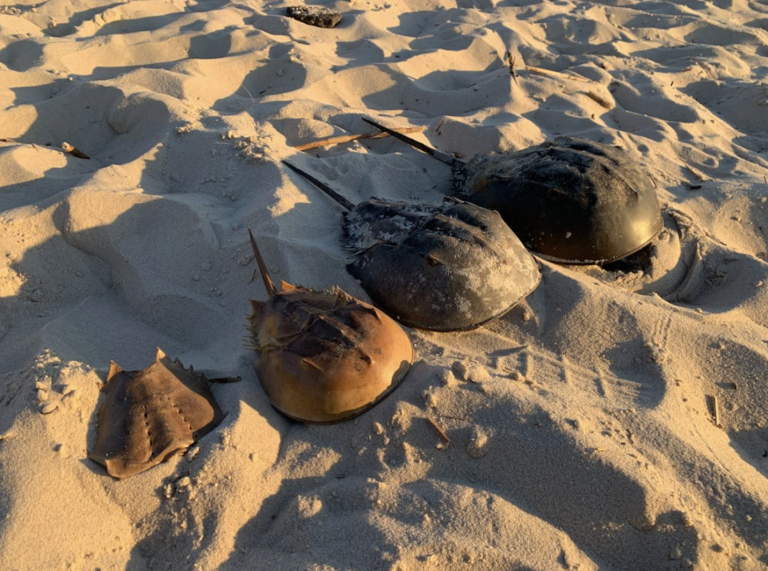
Horseshoe Crab (Limulus polyphemus)
- Description: An ancient marien arthropod, horseshoe crabs play a crucial role in being an important food source for migratory birds, bait for commercial fisheries, and contributions to the biomedical industry from their unique blood.
- Diet: Worms, small mollusks
- Lifespan: 20–40 years
Spotting tip: Shallow tidal flats during late spring to early summer spawning events
Reptiles and Amphibians
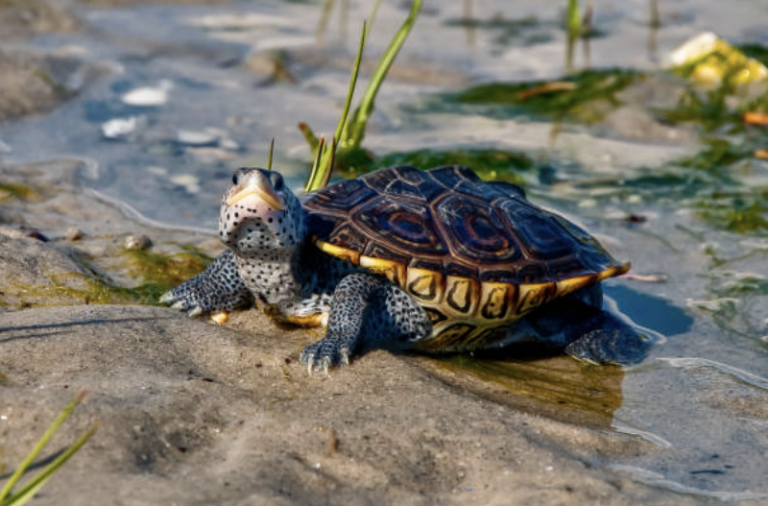
Diamondback Terrapin (Malaclemys terrapin)
- Description: These powerful swimmers are feisty and exhibit a spotted pattern on their head and along the scutes, or plates.
- Classification: Nongame species
- Diet: Snails, clams, small crabs
- Lifespan: ~25 years
- When to see: Late spring through early fall
Spotting tip: Brackish salt marshes; quietly observe from a distance
Coastal Massachusetts Paddle Board or Kayak Tour
Straightsmouth Island Wildlife Sanctuary
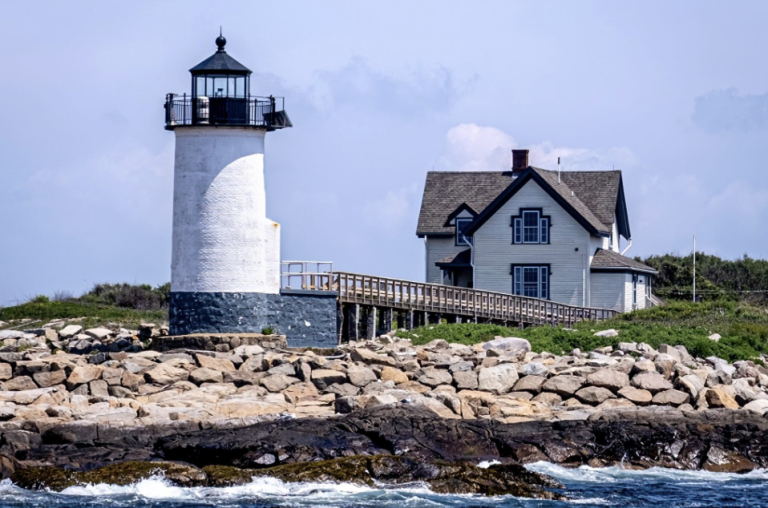
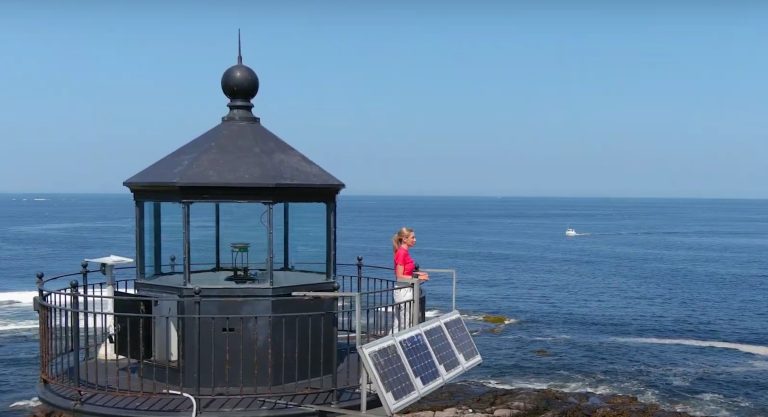
Love lighthouses? Located in Rockport, Massachusetts, the Straightsmouth Island Wildlife Sanctuary is a rocky island adjacent to the town-owned historic lighthouse all within a designated Important Bird Area.
On our Rockport, MA lighthouse kayaking tour, you can enjoy the lighthouse upclose! This unique tour blends history, biology, and incredible coastal views all into one!
Visting Information:
Hours Of Operation:
- Island
- June – August: Sunrise to sunet
- Trails
- June – August: Sunrise to sunet
- 0.33 miles of trails
Cost to Visit
This Sancturary area is managed by Mass Audubon and admission is free for all ages.
Visit here for full details on admission and expanding access to Mass Audubon wildlife sanctuaries.
Facilities
- Restrooms
- Picnic tables
Tips for Responsible Wildlife Viewing
Let’s cover a few brief tips to view wildlife, for your safety and theirs.
- Keep a respectful distance; use binoculars
- Avoid loud splashing to not disturb animals
- Choose guided tours for local expertise and safe wildlife interaction
Why a Coastal Kayak Tour Offers an Unmatched Wildlife Experience
Watching wildlife from shore is one thing; paddling silently into the habitat offers an intimate, unforgettable experience. Kayaks allow you to observe behaviors up close without disturbing the ecosystem, giving you stories and memories you can’t get anywhere else.
Explore our Rockport kayak tours to see wildlife firsthand.
Coastal Massachusetts Paddle Board or Kayak Tour
Popular Posts:
Megan Shurites
Megan is Chief Adventure Officer and Founder of GuideR Adventure with extensive experience in adventure travel all over the world. Megan has been to almost all US states and 5 of 7 continents and enjoys off the beaten path experiences. She strives to empower others to collect memories with those you love and conserve our natural spaces.

Comment (0)